
Protecting sensitive facilities has become a top priority for organizations across many industries. From government buildings and military installations to data centers, utilities, transportation hubs, and industrial sites, these facilities often house valuable assets, critical infrastructure, and confidential information. As security threats change, businesses need to put in place reliable perimeter protection measures to keep people from getting in without permission. One of the most effective solutions is the installation of a high-security fence, which serves as the first line of defense against potential intrusions.
The Importance of Strong Perimeter Protection
Sensitive facilities face unique security challenges. Unlike standard commercial properties, they often require multiple layers of protection to safeguard people, equipment, and operations. A secure perimeter is the foundation of any effective security strategy because it establishes a clear boundary between authorized and unauthorized areas.
Intruders will have a much harder time getting in when there is a high-security fence around the property. By restricting entry points and increasing the effort required to breach the perimeter, organizations can reduce vulnerabilities and improve overall site security.
Deterring Unauthorized Access
One of the main purposes of a security fence is to keep people from breaking in. Criminals and trespassers are more likely to go after places that look like they would be easy to get to. A strong fence makes it clear that the property is being watched and protected.
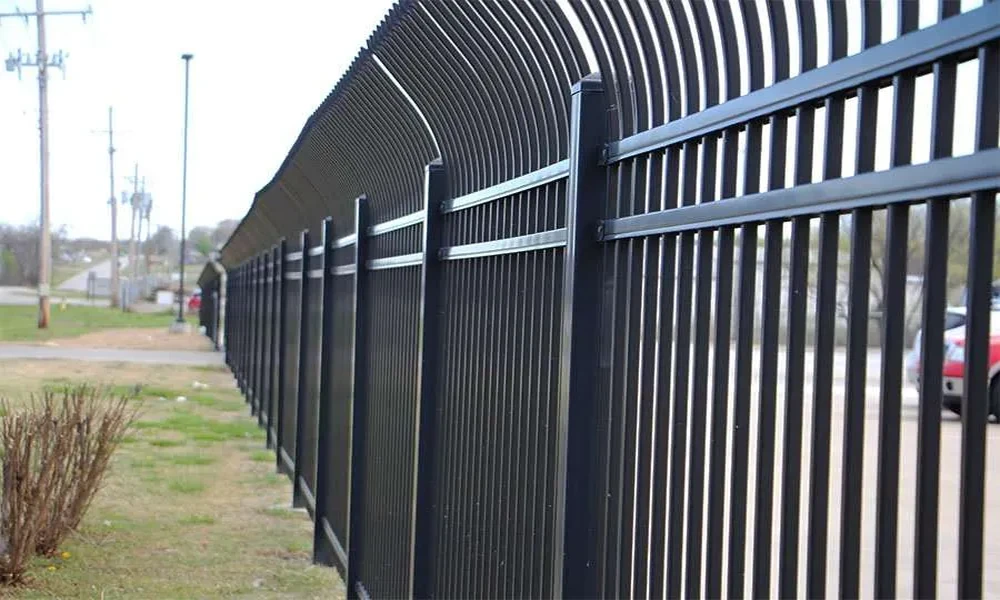
Modern high security fence is made so that they can’t be climbed, cut, or tampered with. When they are built, they usually use special materials, tiny mesh patterns, and reinforced frames that make it very hard for people who aren’t supposed to be there to get in. Potential thieves may be scared off before they even try to break in by this visible security step.
Protecting Critical Infrastructure
Many sensitive facilities play a crucial role in supporting public services and economic stability. Power stations, water treatment facilities, communication centers, and transportation networks are examples of infrastructure that must remain operational at all times.
Any disruption caused by unauthorized access can have serious consequences, including service interruptions, financial losses, and safety risks. By establishing a secure perimeter, organizations can help prevent incidents that could affect essential operations. Security fencing provides an important layer of protection that helps maintain continuity and reliability.
Supporting Integrated Security Systems
Physical barriers are most effective when combined with additional security technologies. High security fencing often works alongside surveillance cameras, motion sensors, access control systems, and alarm monitoring solutions.
The fence acts as the first obstacle, while integrated technologies provide real-time detection and response capabilities. Security teams can quickly spot behavior that doesn’t seem right and take the right steps before a breach happens. This combination of physical and electronic security creates a more comprehensive protection strategy for sensitive facilities.
Enhancing Safety for Personnel and Visitors
Security is not only about protecting assets. It is also about ensuring the safety of employees, contractors, and visitors. Unauthorized individuals entering restricted areas can create safety hazards and expose organizations to liability risks.
A secure perimeter helps keep people out and makes sure that only authorized people can get into certain places. This level of control is particularly important in environments that contain hazardous materials, specialized equipment, or confidential operations. Effective fencing contributes to a safer working environment and supports compliance with safety regulations.
Long-Term Cost Effectiveness
While security investments require upfront planning and resources, they can provide significant long-term value. The costs associated with theft, vandalism, data breaches, operational disruptions, or physical damage often far exceed the expense of installing a quality fencing system.
If you build your high-security fence well, it should last for years and not need much maintenance. By making security incidents less likely, businesses can protect their assets and avoid costly problems that could hurt their image and productivity.
Conclusion
Sensitive facilities require security measures that go beyond ordinary perimeter protection. As threats continue to become more sophisticated, organizations must adopt solutions that effectively deter intrusions and safeguard critical assets. A high-security fence provides a strong physical barrier, supports advanced security technologies, protects essential infrastructure, and enhances safety for everyone on site. By investing in high-quality perimeter security, organizations can strengthen their defenses and ensure the long-term protection of their most valuable resources.