
We can all agree that temperature control plays an essential role in the success of most industries and businesses. It does not matter whether it involves maintaining comfortable conditions in an office building, managing heat generated by industrial equipment, or preserving products in the warehouse.
Generally, it is effective to implement reliable thermal management, which is crucial for safety, efficiency and profitability. You should check here to learn more about thermal control.
Commercial thermal solutions are taking advantage of a wide array of systems and technologies specifically designed to improve energy efficiency, regulate temperature and support the specific needs of industrial and commercial operations.
From cooling to heating to advanced heat recovery and insulation technologies, implementing reliable solutions can help you maintain optimal operating conditions, which will reduce operating expenses and energy consumption.
Since energy prices tend to rise, we can say that environmental regulations can become stricter, meaning the thermal solutions are highly important for facility managers and business owners.
“Commercial thermal solutions” refer to equipment, systems and technologies that are used to manage cooling, heating, and temperature regulations in specific commercial environments. These solutions are used in various numerous industries that include healthcare, manufacturing, retail, hospitality, data centers, educational facilities and office buildings.
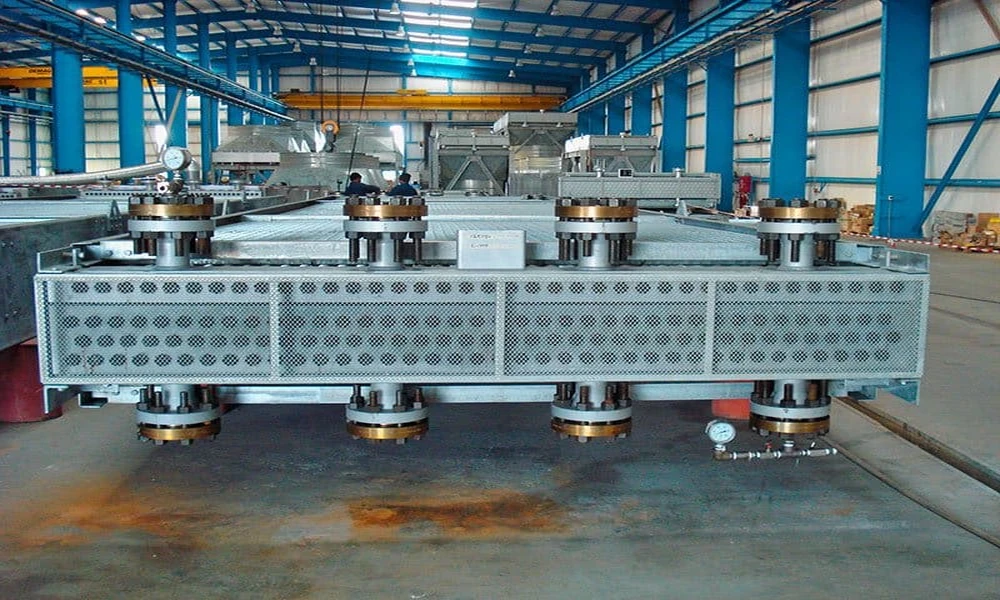
Their main purpose is to create controlled environments that support productivity, preserve products, protect equipment, and boost overall energy efficiency. Commercial thermal solutions can include heating systems, AC units, ventilation, refrigeration, heat exchangers, insulation materials, energy management technologies, and thermal storage systems.
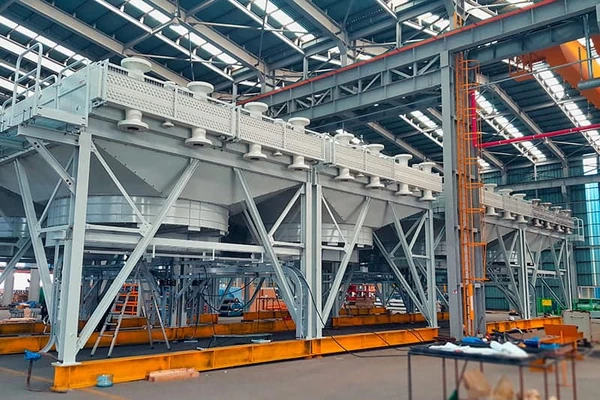
Since every business comes with different operational requirements, thermal solutions should be customized to deal with specific requirements.
Energy Efficiency
One of the most important factors of modern thermal solutions is energy efficiency. Cooling and heating systems tend to account for a considerable portion of energy consumption for your commercial building. When you have lousy equipment, you may end up with higher utility bills and boost overall expenses.
On the other hand, if you invest in modern thermal technologies, you can easily optimize energy use, which will help you maintain a productive and comfortable environment.
High-efficiency systems may consume less energy, meaning they will reduce long-term operating expenses. Some businesses are investing in advanced thermal solutions, which mean you can lower expenses and meet sustainability goals to maintain environmental impact.
Protect Equipment
Most industries tend to rely on equipment that can easily generate high levels of heat during the operation. Manufacturing machinery, computers, electrical systems, and production equipment can suffer from severe damage, especially if temperature rises beyond operating levels.
Excessive heat can reduce equipment lifespan, lead to unexpected failure, and increase maintenance expenses. With commercial thermal solutions, you can maintain proper temperatures and prevent overheating issues. Effective cooling systems can ensure the equipment operates reliably and efficiently, which will reduce the downtime issues and expenses.
For businesses that depend on machinery and technology, reliable thermal management is crucial. You should learn more about Getec Industrial, which will help you learn more about thermal management.
Improve Employee Comfort
If your environment is comfortable, you can ensure the major role regarding productivity and satisfaction. Temperatures that are too cold or too hot can affect concentration, create discomfort, and reduce efficiency for customers and employees alike. Lousy temperature control can contribute to decreased morale and fatigue.
Commercial cooling and heating systems can help you create a stable indoor environment that supports employee productivity and well-being. If you are operating in a retail store, office or hospitality setting, maintaining comfortable temperatures can boost the overall experience for both visitors and employees.
Everything Depends on the Industry
Another important consideration is that every single commercial environment comes with the specific temperature requirements. Healthcare facilities often require precise climate control to maintain sensitive medical equipment and protect patients. Food processing facilities and restaurants require refrigeration systems to meet safety standards and preserve products.
Manufacturing plants may require specialized cooling solutions to deal with production processes. Data centers depend on advanced cooling technologies to prevent networking equipment and servers from overheating. Since requirements tend to vary significantly between industries, thermal solutions are tailored to the specific conditions and demands.
Insulation is Essential
When you decide to discuss commercial thermal solutions, most people tend to focus on cooling and heating equipment. However, insulation is also an important factor. Reliable insulation can help you maintain stable indoor temperatures by reducing heat transfer between outside and inside of a building.
That way, you can minimize energy loss during both winter and summer, allowing cooling and heating systems to operate more efficiently. Effective insulation can reduce energy expenses, which will provide you with additional comfort.
If you own a business that invests in reliable insulation, you are more likely to experience long-term savings and improved system performance. Visit this link: https://www.nlr.gov/transportation/energy-storage-thermal-mgmt to learn more about energy storage.
Improve Efficiency
When it comes to commercial facilities, they tend to generate large amounts of excess heat throughout the regular operations. Instead of allowing heat to go to waste, modern thermal solutions tend to include heat recovery systems that reuse and capture energy. Recovered heat can be used to heat water, warm buildings, and support other processes within the facility.