

Starting a retail store requires careful financial planning. Many new business owners focus on products and sales but forget to plan their expenses properly. Understanding your startup costs for a physical storefront is very important because it helps you decide how much money you need and how long your business can survive before making a profit.
One of the biggest expenses for any retail store is labour. This includes salaries for employees, wages, and training costs. Hiring the right people is important, but it can also be expensive. You should also consider additional costs such as employee benefits, uniforms, and incentives. Planning for these expenses early will help you avoid financial stress later.
Marketing is another major cost that cannot be ignored. To attract customers, you will need to spend on advertising, promotions, and branding. This may include social media campaigns, online ads, and local promotions. While some marketing methods are affordable, costs can increase as your business grows. A well-planned marketing budget helps you reach your target audience effectively.
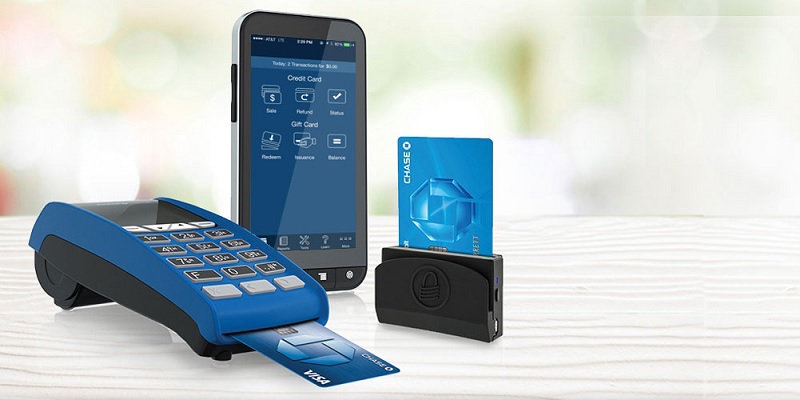
Technology is also an important part of running a retail store. You may need billing systems, inventory management software, and payment solutions. These tools help your business run smoothly and save time. Although many tools are available at low cost, you should still plan for upgrades as your store grows.
The cost of setting up a physical space is another key factor. This includes rent, interior design, furniture, lighting, and utilities. Even if rent is fixed, other costs like electricity and maintenance can add up. Creating a comfortable and attractive store environment is important for customer experience, so these expenses should be included in your budget.
Inventory is one of the most important investments in a retail business. You need to buy products that match customer demand. Poor planning can lead to overstocking or running out of popular items. It is also important to keep some extra funds for losses due to damage, discounts, or theft.
Administrative costs are often small but necessary. These include business registration, legal fees, accounting, and insurance. As your business grows, you may also need professional services to manage finances and operations. These costs should not be ignored, as they are essential for running your business legally and smoothly.
Office and operational costs should also be considered. Even if you start small, you may need storage space, equipment, or basic office supplies. Over time, these costs can increase, so it is better to plan.
Another important factor is planning for unexpected expenses. Business conditions can change, and you may face challenges such as slow sales or rising costs. Keeping a backup fund helps you manage these situations without affecting your business operations.
In conclusion, starting a retail store requires a clear understanding of all possible costs. By planning for labour, marketing, technology, inventory, and unexpected expenses, you can build a strong financial foundation and increase your chances of success.