
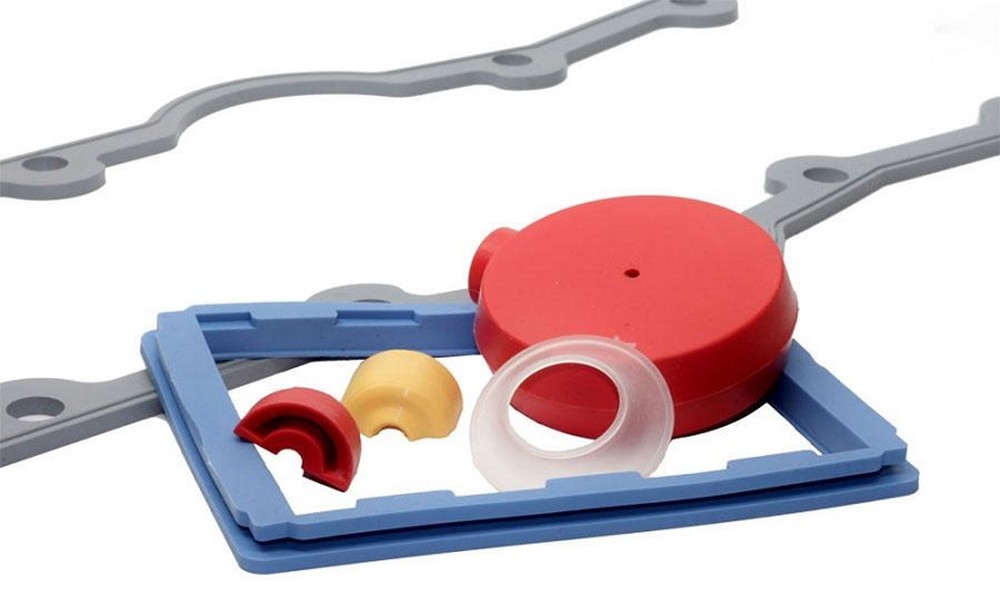

Complex products require accuracy, flexibility, and stable material performance. Silicone injection molding delivers those qualities without slowing manufacturing speed. Medical brands, automotive suppliers, and electronics producers prefer this method daily. Many factories producing Silicone parts Vietnam exports now prioritize advanced molding systems for intricate commercial applications.
Precision Advantages of Silicone Injection Molding
Tiny component details often challenge traditional molding technologies. Silicone material flows through narrow internal mold spaces. As pressure increases, sharp dimensions remain stable afterward.
Unlike compression molding, silicone injection methods reduce finishing requirements. Manufacturers save labor because fewer surface defects appear afterward. Electronic connector seals demonstrate this advantage during assembly.
Precision matters within medical production environments today.
- Tight edge formation
- Reduced trimming requirements
- Reliable dimensional accuracy
- Cleaner molded surfaces
Why Do Engineers Prefer Silicone Materials?
Harsh industrial environments destroy weaker materials over time. Silicone resists chemicals, temperature shifts, moisture exposure, and ultraviolet radiation. Those characteristics improve product lifespan across multiple commercial sectors.
For example, automotive gasket systems face constant engine heat daily. Rubber alternatives crack under repeated thermal pressure cycles. Silicone components maintain flexibility despite continuous operational stress conditions.
Several performance traits influence engineering decisions:
- Heat resistance during prolonged machinery operation
- Stable flexibility under repeated mechanical compression
- Strong electrical insulation across compact assemblies
- Safe medical-grade contact surfaces
- Reliable outdoor weather exposure performance
Faster Manufacturing Without Sacrificing Product Consistency
Production efficiency affects commercial manufacturing profitability today. Automated injection systems reduce unnecessary material waste during operations. Controlled pressure settings also improve final component uniformity.
Factories manufacturing Silicone parts Vietnam orders often require scalable production capacity. Export buyers expect consistent dimensions across thousands of identical molded pieces. Injection molding supports that expectation with fewer process interruptions.
Cycle duration also remains shorter compared with several alternative techniques. Faster output improves scheduling flexibility across competitive industrial supply chains.
Can Complex Components Replace Multi-Part Assemblies?
Many engineers simplify products using advanced silicone molding capabilities today. One molded section sometimes replaces several assembled mechanical pieces. That adjustment lowers manufacturing costs while improving operational reliability.
Consider wearable electronics containing flexible waterproof silicone seals internally. Separate assembly steps increase failure risks around sensitive electronic sections. Integrated molded designs reduce leakage opportunities under daily consumer usage.
Design flexibility creates several measurable production advantages:
- Fewer assembly operations required afterward
- Lower finished product weight totals
- Reduced long-term maintenance concerns
- Stronger sealing around sensitive electronics
- Improved production line efficiency rates
- Better visual consistency across product batches
Why Manufacturers Continue Choosing Silicone Injection Molding
Reliable production methods create stronger products and fewer operational failures. Silicone injection molding combines design flexibility with stable manufacturing precision. Those advantages matter within competitive industrial markets today.
Manufacturers seeking detailed, durable, and scalable component production benefit from silicone molding. It continues delivering dependable results across evolving engineering applications worldwide.
FAQs
Why does silicone molding suit medical products well?
Silicone offers cleanliness, flexibility, and stable biocompatible performance characteristics.
Can silicone components survive outdoor industrial conditions?
Yes, silicone resists sunlight, moisture exposure, and temperature fluctuations.
Does injection molding reduce material waste significantly?
Automated systems control material flow with strong production efficiency.
Why do electronics companies prefer silicone seals today?
Flexible sealing improves waterproof protection around delicate internal circuitry.