
Air freight is an important part of modern interconnected society, allowing goods to travel rapidly around the world. For companies that have high-value or time-critical products that need to be moved, this method of transport provides unparalleled speed and reliability. As global trade continues to grow, learning about the process, advantages, and factors involved with air freight can assist both businesses and individuals in making informed shipping choices.
Understanding Air Freight And Cargo
Air freight is the movement of products by air, often over long distances. It may be either through passenger aircraft, in which cargo is held in special compartments, or freighters that are specifically used to carry goods. It is most highly prized for its speed in delivery, especially for sectors in which delays would mean great losses, such as technology, medicine, and perishable items.
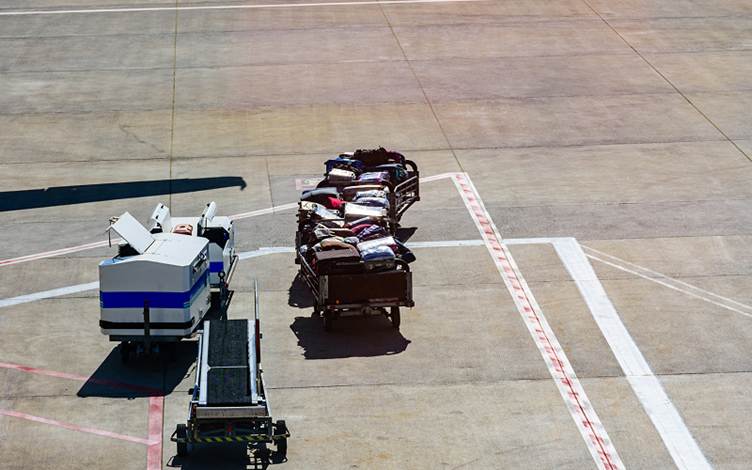
The air freight process starts with the shipper loading the cargo according to airline and international standards. This is followed by documentation, customs, security screening, and loading onto an aircraft. Upon arrival, goods clear customs before they reach their destination.
Advantages Of Air Freight
Speed is the most notable advantage of air freight. Sea transport might take weeks, yet air shipments can be made in days, so it is perfect for emergency shipments. Dependability is another great attribute, since airlines run by tight timetables, so delays are minimal compared to certain other modes of transport.
Moreover, air freight provides added security for goods of value. Airports have high security standards, limiting the chances of theft or damage. The mode also suits moving small but highly valued shipments, like jewellery, electronics, or medical devices, where speed and safety are necessary.
The Air Freight Process In Singapore
Air freight in Singapore is facilitated by first-world infrastructure, where Changi Airport is a logistics gateway to the Asia-Pacific region. Its strategic position and robust connectivity make it an appealing gateway for both importers and exporters.
Singapore shippers enjoy streamlined customs clearance processes and sophisticated cargo handling capacities. A number of logistics firms provide end-to-end services that include documentation and packaging, freight forwarding and delivery at the point of destination. The existence of multiple carriers also provides companies with the option of flexibility in selecting the best schedules and rates to match their requirements.
Cost Considerations In Air Freight
While air freight offers speed and security, it is likely to be more costly compared to maritime or land transport. Charges are usually computed by chargeable weight, considering both actual weight and volumetric measurement. Extra charges could include fuel surcharges, security charges, and customs charges.
In order to control costs, companies usually keep air freight reserved for time-critical, high-value, or perishable shipments, and less timely shipments sent otherwise. Consolidated shipments and using seasoned freight forwarders can also serve to lower costs.
Key Factors Influencing Air Freight Decisions
A number of considerations determine if air freight is appropriate. These are the kinds of cargo, the deadline for delivery, financial constraints, and ease of accessing the destination. Air transport is best suited to places that do not have seaports or to inland destinations where road or rail from a seaport would be lengthy.
Companies also take into account seasonal demand since high seasons can influence room availability and pricing. Planning and early booking can prevent last-minute penalties.
Future Trends In Air Freight And Cargo
The air freight industry is changing very fast, with innovations in technology making the process more efficient and sustainable. Digital platforms are enhancing the booking and tracking process, while automation of the cargo handling makes processing faster. The industry is also looking at more environmentally friendly options, including fuel-saving aircraft and alternative fuels, to lower carbon emissions.
Another major driver is e-commerce growth, with customers increasingly demanding quicker delivery times. This is driving logistics providers to increase their air freight options to respond to growing demand.
Conclusion
Air freight is still an integral component of international trade, providing businesses and individuals with speed, reliability, and security. Shippers can make smart transportation choices that best meet their requirements by learning about its methods, advantages, and expenses. Whether you need expert advice on handling shipments, reach out to ALPS Global Logistics today for professional advice.