
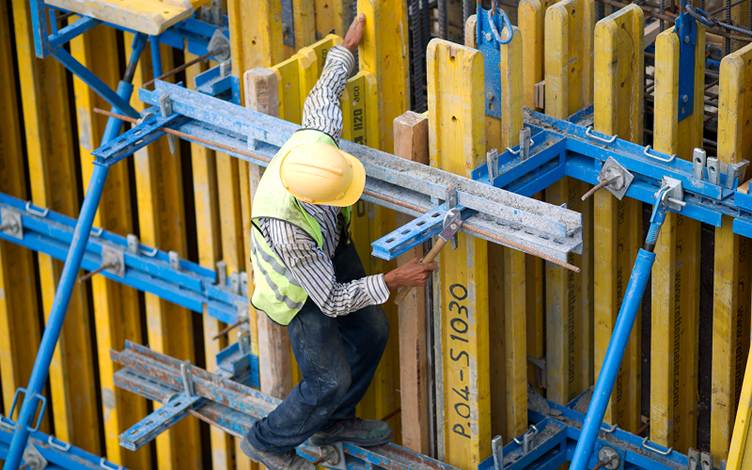

In construction, the choices you make at the start can echo through the lifespan of your project. Partnering with a precast supplier in Singapore is one of those decisions that can either make or break timelines, budgets, and overall durability. Yet, many still sideline this option, sticking to outdated on-site casting methods without fully weighing the trade-offs. Let’s look at why this practice needs to stop and what a shift towards smarter sourcing can mean for your next build.
Delays Multiply Without Controlled Production
Casting concrete entirely on-site means relying on unpredictable elements like weather, space constraints, and personnel availability. Each of these can push timelines further out. Working with a precast provider, on the other hand, speeds the process by creating pieces in a controlled environment that ensures consistent quality and curing. This control minimises the risk of rescheduling other trades due to late installations.
The Cost of Hidden Rework Adds Up
On-site casting may appear to be a cheaper option until flaws surface. Cracks, uneven finishes, or weak spots might not show until it’s too late, requiring expensive rework. Precast components are produced with precise moulds, ensuring uniformity from the first to the last unit. This reduces the likelihood of repairs, keeping your budget closer to its original forecast.
Safety Risks Are Harder to Manage
A busy construction site is already a high-risk environment. Adding the complexities of on-site casting, like handling heavy formwork and prolonged curing times, heightens the chances of accidents. With precast elements arriving ready to install, site work becomes cleaner and less congested, improving safety for everyone involved.
Environmental Impact Is Greater Than You Think
On-site production often generates more waste due to offcuts, spillages, and formwork material that cannot be reused. Many facilities producing precast concrete in Singapore follow sustainable manufacturing processes, recycling water and materials where possible. Choosing this route reduces environmental strain while still delivering the performance you need.
ALSO READ: Key Factors to Consider When Selecting a Reliable Precast Concrete Supplier
Weather Is a Constant Threat to Progress
In Singapore’s climate, sudden rain can ruin freshly poured concrete, forcing delays and quality compromises. Precast manufacturing takes place indoors, shielding production from weather-related setbacks. This predictability means your project schedule is less exposed to environmental risks.
Skilled Labour Is Becoming Scarce
Finding and retaining workers skilled in precise on-site casting is becoming harder. The specialised processes involved in precast production are handled by trained facility staff, freeing your on-site team to focus on assembly and finishing work. This reduces reliance on hard-to-source labour and helps avoid bottlenecks.
Long-Term Performance Can Be Compromised
The lifespan of a structure often hinges on the quality of its components. Precast elements undergo rigorous testing before leaving the factory, which means fewer structural issues years down the line. When corners are cut during on-site casting, hidden weaknesses may surface long after warranties expire, creating costly maintenance obligations.
Design Flexibility Is Greater Than Many Assume
Some believe precast limits design possibilities, but modern moulding techniques allow for a wide range of shapes, finishes, and textures. From architectural facades to structural beams, precast can be adapted to fit the project’s aesthetic without sacrificing performance. This makes it a practical choice for projects that demand both function and form.
Transportation and Installation Are More Predictable
Because precast units are manufactured to exact specifications, their transport and installation follow a well-planned schedule. This reduces last-minute adjustments and avoids clashes with other trades on-site. For urban projects where access is limited, the predictability of delivery and assembly is a significant advantage. Continuing to avoid a precast supplier in Singapore could be slowing your projects, increasing risks, and inflating long-term costs without you realising it.
Switching to precast concrete in Singapore offers a cleaner, safer, and more efficient path from planning to completion, with the added benefit of better quality control and reduced environmental impact. The earlier you make the change, the more benefits you can lock in for future builds. It is a shift that pays off in both immediate project gains and the long-term resilience of the finished structure.
Contact Chi Han Trading to learn how their precast solutions can streamline your next construction project.