
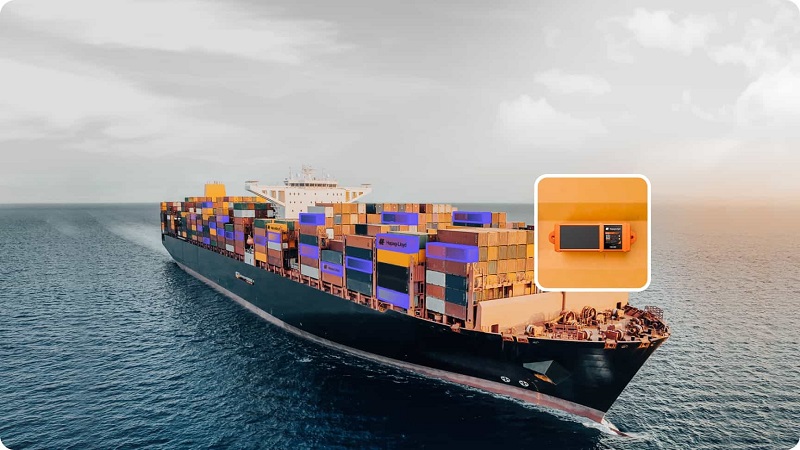

One of the most important features of container management technology is schedule automation. Container transport between ports, terminals, and distribution hubs requires a complex logistics network in conventional supply chains. Manual scheduling often causes resource underutilization, delays, and misunderstandings. Container management software uses real-time data and prediction algorithms to assign work, distribute equipment, and optimize schedules. Automation reduces bottlenecks, speeds up truck and vessel turnarounds, and keeps freight moving without costly delays.
Simplifying Compliance and Documentation
A crucial but frequently difficult aspect of container transportation is documentation. When completed by hand, shipping manifests, customs declarations, and inventory logs are prone to mistakes that can result in delays, fines, or even shipment losses. Shipping container software for optimizing logistics makes these procedures more efficient by digitizing documentation workflows. By extracting data from integrated systems, it ensures accurate data entry, streamlines electronic signatures, and automatically creates compliant forms. This improves operational dependability and saves time and money by lowering human error and guaranteeing regulatory compliance.
Optimizing the Use of Assets in the Supply Chain
To save overhead and boost throughput, assets like containers, chassis, and yard equipment must be used efficiently. To make sure these assets aren’t unused or sitting around, container management systems monitor their location, status, and usage in real time. The software can make recommendations for methods to balance container inventory among locations, minimize empty hauls, and rotate equipment more effectively by examining utilization trends. This maintains excellent service levels while lowering maintenance costs, extending equipment life, and improving returns on capital investments.
Improving Workforce Productivity and Reducing Manual Errors
Container logistics errors including missing units and inaccurate booking entries are often caused by human data input and paper-based systems. Container management software automates appointment scheduling, shipping status updates, and report preparation. This greatly reduces human mistake. Automation frees staff from administrative activities so they may focus on strategy formulation, problem-solving, and customer support. This move makes workers more flexible and productive.
Enabling Scalable, Data-Driven Operations
Supply chain executives worry about scalability as logistics networks become more complex. Container management tools offer cloud-based access and customizable flexibility to meet growing needs. These systems collect and analyse large volumes of operational data to reveal cost considerations, process bottlenecks, and performance measurements. Decision-makers can forecast demand, change plans, and improve operations with this data. So, container software fosters long-term strategic growth and daily efficiency.
Conclusion
Improving operational efficiency in the contemporary supply chain requires the use of container management solutions. These solutions reduce errors, maximize labor, and boost overall production by automating scheduling, paperwork, and asset management. Purchasing smart container software is not only advantageous but also strategically sound for companies looking to maintain their responsiveness and competitiveness in a rapidly evolving logistics landscape.

