
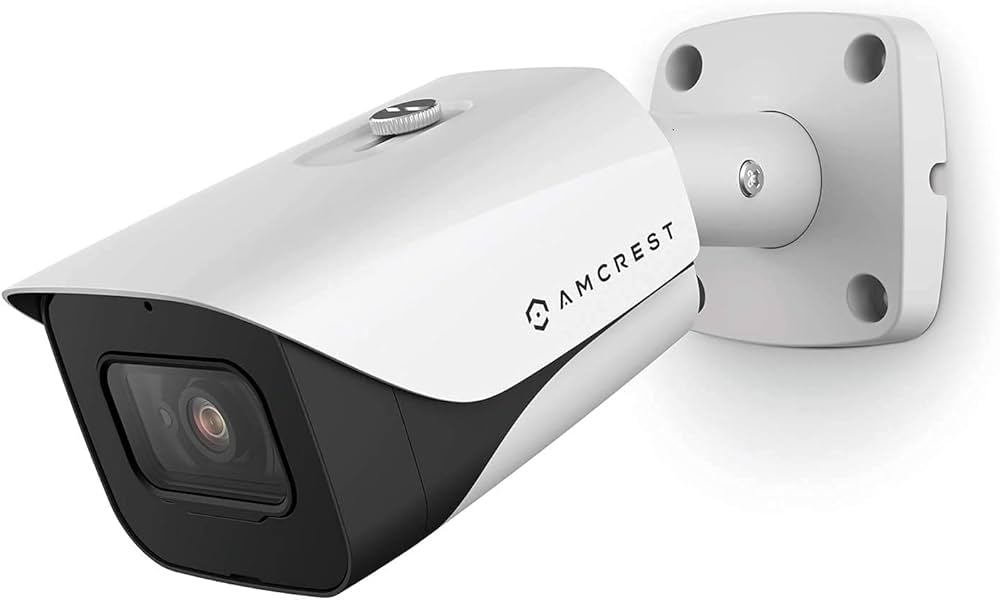

Crowded residences, coworking hubs, transit zones, and retail corridors now rely on smarter oversight to reduce friction and improve confidence. Communities want tools that feel reliable without becoming intrusive, offering clarity when moments matter. Expectations have shifted toward systems that support daily routines while discouraging unwanted behavior. Within this setting, pace protections security cameras are gaining attention for their balance of performance and subtle presence. The rising demand for pace protection security cameras in shared environments reflects a broader move toward practical safety solutions. Trust, adaptability, and accountability now guide how these systems are chosen and applied.
Community safety through visible assurance
Shared locations thrive when people feel secure without constant supervision. Cameras provide a quiet form of reassurance, reminding visitors that care has been taken to protect them. Instead of causing discomfort, modern setups blend into surroundings, creating awareness rather than tension. Their presence supports smoother interactions, quicker conflict resolution, and clearer accountability when misunderstandings arise.
Reasons driving broader adoption
- Shared areas need consistent monitoring without overwhelming human oversight
- Visual deterrence reduces incidents before problems fully develop
- Recorded footage helps resolve disputes with factual clarity
- Property managers gain easier control over multi-tenant security needs
- Residents appreciate transparency rather than hidden monitoring tools
- Businesses use cameras to protect assets and reputations
- Local authorities encourage safer communal infrastructures
- Smart alerts reduce response time during unexpected events
Blending safety with everyday comfort
Successful monitoring never disrupts daily routines. Instead, it works quietly, capturing only what is necessary while respecting personal boundaries. This careful balance keeps shared spaces friendly rather than restrictive. When people trust the system, they interact more openly, knowing that issues can be addressed fairly if needed.
Why do shared spaces require smarter monitoring solutions?
Communal settings involve constant movement, unfamiliar faces, and unpredictable situations. Traditional supervision methods often fall short in covering every corner. Modern camera systems support caretakers by offering continuous awareness without demanding constant attention.
They also provide a record that helps clarify incidents, avoiding emotional assumptions. Over time, this transparency builds confidence among residents, visitors, and administrators, creating a calmer and more cooperative environment for everyone involved.
Design matters more than visibility
The best systems consider placement, angles, and lighting to avoid discomfort. Thoughtful layouts reduce blind spots while preserving natural aesthetics. When people forget the cameras are there, they behave more naturally, which improves community harmony. This quiet integration keeps spaces welcoming while remaining protected.
Adaptable systems for diverse needs
Different shared environments demand different monitoring styles. Residential buildings focus on entryways and hallways, while offices prioritize collaborative zones. Retail centers look for theft prevention, and transit hubs require wide coverage. Customizable features pace protections security cameras allow managers to adjust alerts, recording schedules, and viewing permissions, ensuring that every space receives tailored protection without unnecessary complexity.
Evaluating modern camera capabilities
Today’s systems go beyond simple recording. They offer intelligent tools that assist decision-making rather than merely collecting footage. These functions support quicker responses and clearer insights for property teams.
Where shared safety is heading
Collective spaces continue to evolve, demanding smarter ways to protect people while preserving openness. Technology that adapts quietly will shape how trust is maintained across diverse environments. Communities no longer seek heavy-handed oversight, but thoughtful systems that support harmony. The rising demand for pace protection security cameras in shared environments highlights this shift toward respectful, effective safeguarding. Future choices will favor tools that encourage confidence without changing the character of the spaces they protect.