
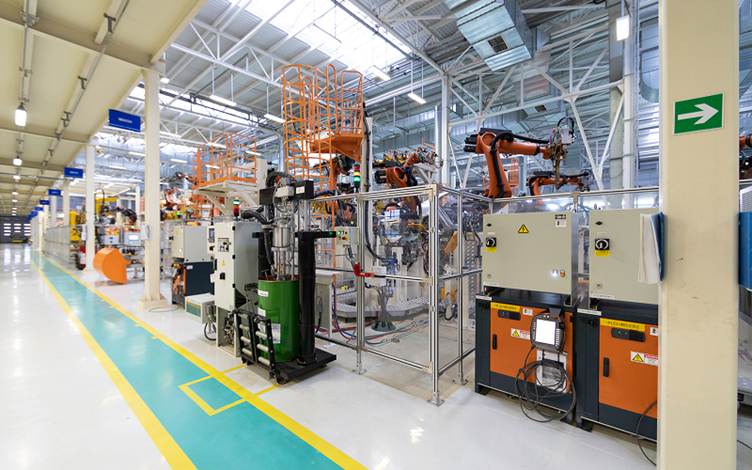

Bringing efficiency into a production floor requires more than installing new machines. Decisions around planning, setup, and system management determine how well everything works together. Industrial automation plays a central role in streamlining operations, but it can either drive productivity or cause costly downtime depending on how it is managed. Let’s look at the essential do’s and don’ts to keep your project on track.
Do Assess Needs Before Investing
Jumping straight into buying hardware or software may seem tempting, yet it rarely pays off. Start by mapping out existing processes, identifying repetitive tasks, and spotting inefficiencies. This clear picture helps you select the right type of industrial automation and avoid wasteful spending.
Don’t Ignore Workforce Training
Machines cannot run themselves without informed operators. Lack of proper training leads to mistakes, missed alerts, or even damage to equipment. Ensure staff understand both basic functions and emergency procedures. Trained employees make better use of automation tools and feel more confident adapting to new systems. Investing in refresher sessions also helps keep skills sharp as systems evolve.
Do Choose Reliable Infrastructure
Automation is only as strong as the platform supporting it. A well-suited industrial PC provides durability for harsh environments and the performance needed for demanding tasks. From data logging to process control, these machines act as the backbone of your setup. Skimping here could limit your system’s potential.
Don’t Overcomplicate the Design
A common mistake is layering too many features at once. Complex systems increase the risk of malfunctions and make troubleshooting difficult. Aim for gradual integration and keep layouts clear. When every function is justified, long-term upkeep becomes more manageable.
Do Integrate Monitoring Systems
Keeping an eye on operations ensures problems are spotted early. This is where a SCADA system becomes invaluable. It centralises monitoring, allows quick responses to irregularities, and collects performance data for future improvements. With real-time visibility, decision-making becomes sharper. Such oversight also minimises downtime by helping managers anticipate issues before they escalate.
Don’t Neglect Regular Maintenance
Even the most advanced systems need attention. Skipping scheduled checks or updates can lead to unexpected shutdowns. Maintenance should be planned, documented, and tied directly to production schedules so that operations are not disrupted unnecessarily.
Do Prioritise Flexibility
Markets shift quickly, and rigid automation can hold businesses back. Build systems that allow upgrades, modular expansions, or software adjustments. With a flexible design, industrial automation can support long-term strategies without requiring total replacement every few years.
Don’t Rely Solely on Technology
Automation provides efficiency, but human oversight remains essential. Decision-making, creativity, and safety checks cannot be fully replaced by machines. A balance between automation and human input prevents over-reliance on systems that may fail without warning.
Do Track Performance Metrics
Success is not just about installing new tools, but about measuring how they perform. Use data collected by SCADA systems, sensors, and control panels to compare actual output against projected goals. This feedback loop ensures the investment continues to deliver value.
Don’t Delay Security Planning
Digital threats affect factories as much as offices. Networked equipment, including an industrial PC, may be vulnerable without the right protections. Always consider cybersecurity early in the planning stage, rather than reacting after an incident occurs. Clear protocols and regular audits strengthen defences and reassure clients that systems are well-protected.
Industrial automation works best when introduced with clear goals, strong infrastructure, and careful training. Avoiding unnecessary complexity and maintaining consistent oversight ensures smooth operations. From the role of an industrial PC in supporting processes to the value of a SCADA system for monitoring, each element contributes to reliable performance. By balancing efficiency with safety and flexibility, businesses create systems that grow with them rather than against them.
Contact YT Automation to learn how to implement automation strategies tailored to your needs.