
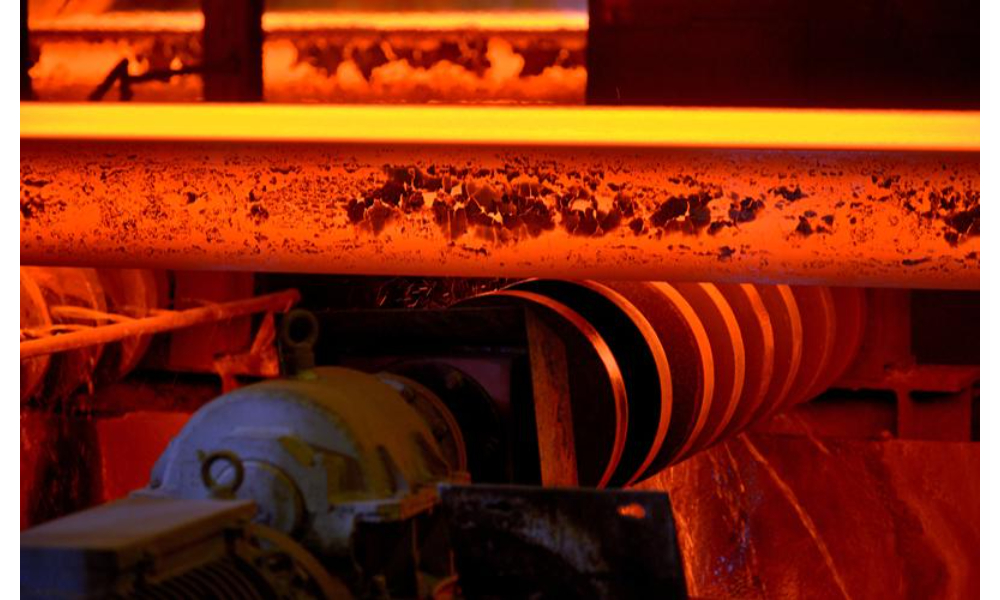

Metals are known for their toughness, but that strength does not come by accident. Through heat treatment, engineers can shape the hardness, flexibility, and durability of metal components to match specific needs. By carefully controlling temperature and cooling rates, manufacturers turn ordinary alloys into dependable materials used in construction, transport, and machinery.
The Basics of Heat Treatment
Heat treatment involves heating and cooling metals under controlled conditions to change their structure and performance. The process is carried out in specialised furnaces where metals are heated to specific temperatures, then cooled in a controlled way to achieve desired properties. The goal is straightforward: adjust the metal so it becomes harder, softer, or more flexible depending on its intended purpose.
The most common forms of heat treatment include annealing, quenching, and tempering. Annealing softens metal for easier shaping and machining. Quenching hardens it through rapid cooling in oil or water. Tempering follows to reduce brittleness and create a better balance between strength and toughness.
How Temperature Shapes Strength
Temperature and timing control how a metal’s internal structure behaves. When heated, atomic movement allows grains within the metal to change size and orientation. The cooling phase locks these changes in place, improving strength, flexibility, or hardness based on the process used.
Cooling too quickly or unevenly can introduce stress or make the material brittle. Skilled technicians manage each stage carefully to avoid defects and maintain uniform quality. This precision ensures that heat-treated parts perform reliably under pressure, vibration, and heat.
The Role of Industrial Plating
After heat treatment, many parts receive industrial plating for surface protection and improved function. The process coats metal components with another metal layer, providing defence against corrosion, friction, and general wear. Nickel, zinc, and chrome are typical coating materials chosen for durability and visual finish.
Industrial plating complements heat treatment by adding qualities temperature control cannot provide. While a heat-treated part may have strong internal resistance, the plating prevents surface deterioration caused by air, moisture, or chemicals. Combined, both processes extend the lifespan and dependability of metal components across industries.
Controlling the Cooling Process
Cooling defines the final characteristics of a metal. Quenching and tempering remain essential techniques that adjust hardness and flexibility. Fast cooling increases strength, while gradual reheating through tempering removes internal stress.
Technicians use cooling media like water, oil, or gas based on metal composition and project goals. Water cools quickly but risks cracking thin sections, while oil cools more evenly. The chosen method affects the overall consistency and toughness of the finished product.
Applications Across Industries
Heat-treated metals are found in almost every industrial sector. In automotive production, gears, crankshafts, and bearings rely on precise temperature control for strength and endurance. Aerospace components such as turbine blades and landing gear also depend on heat treatment to maintain integrity. Construction materials like reinforced steel benefit from the same stability.
Industrial plating complements these uses by improving corrosion resistance and extending product life. Together, these processes make machinery, vehicles, and structural materials durable and dependable.
Safety and Efficiency in Practice
Carrying out heat treatment requires precision and safety awareness. Furnaces must maintain uniform heat distribution, and workers need protective gear to handle extreme temperatures. Automated systems and sensors now help monitor time and temperature, ensuring repeatable results while reducing the risk of human error.
Facilities offering both heat treatment and industrial plating services often combine quality control systems to verify that the finished parts meet performance standards. This coordination ensures each component passes inspection before use, saving time and resources in the long run.
The Importance of Heat Treatment
Heat treatment might seem like a behind-the-scenes step, but it directly affects the strength and reliability of nearly every metal object people use daily. From bridges to engines, the process determines whether metal bends, breaks, or holds its shape under stress.
When paired with industrial plating, the results are even more dependable. Both processes complement each other, protecting metals inside and out. This combination delivers durability, safety, and performance where it matters most. Contact Singapore Epson Industrial to know more about how tailored heat treatment and surface finishing solutions can strengthen your manufacturing process.